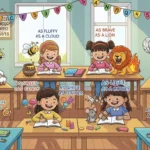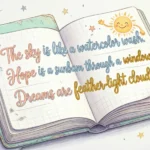
A simile is a simple way to compare two things using the words “like” or “as.” In simple terms, similes help readers see and feel what you mean. Instead of saying “I am happy,” you might say, “I am happy like a child with a new toy.” That sounds clearer and more fun.
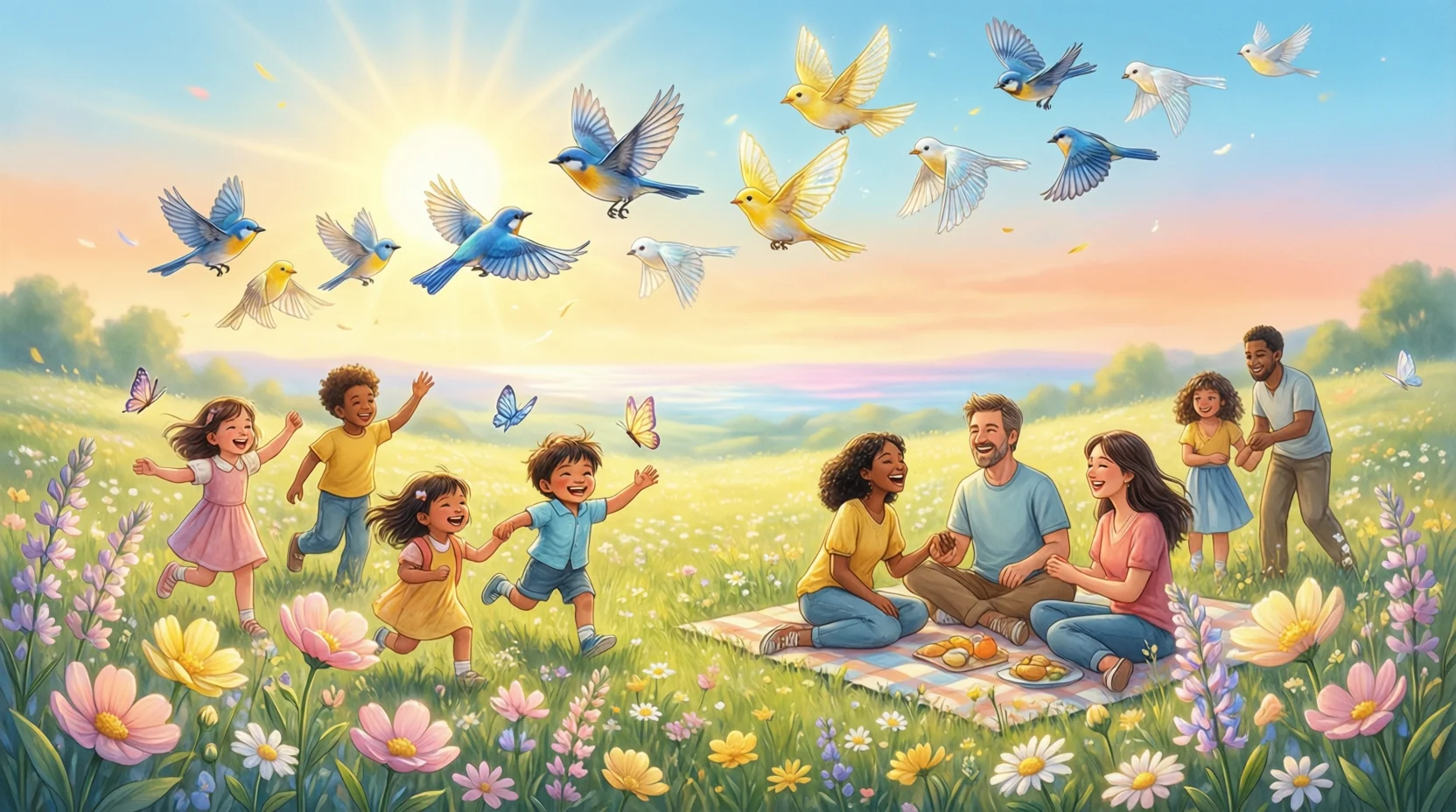
Strong similes are important in creative writing because they make ideas vivid. They turn plain feelings into pictures in the reader’s mind. For example, happiness can feel light, warm, or bright, and similes help show that feeling with ease.
When you use good similes, your writing becomes more colorful and alive. They are used in stories, poems, blogs, and even daily speech. Understanding the meaning of similes also helps you read better, because you can catch the hidden emotions behind words.
In this guide, let’s explore similes for being happy, see clear simile sentences, and learn how to use similes in writing step by step.
20 Strong Similes for Being Happy (With Meaning and Examples)
- Happy like a child on a birthday
Meaning: Pure and excited happiness
Explanation: Shows joy without worry
Examples:
• She smiled, happy like a child on a birthday.
• He felt happy like a child on a birthday morning. - Happy as the sun on a clear day
Meaning: Bright and warm happiness
Explanation: Compares joy to sunshine
Examples:
• Her face was happy as the sun on a clear day.
• He walked in, happy as the sun on a clear day. - Happy like a bird in the sky
Meaning: Free and joyful
Explanation: Shows light, open happiness
Examples:
• She felt happy like a bird in the sky.
• He laughed, happy like a bird in the sky. - Happy as a dog with a bone
Meaning: Very pleased
Explanation: Simple joy from something loved
Examples:
• He looked happy as a dog with a bone.
• She was happy as a dog with a bone at the news. - Happy like flowers in spring
Meaning: Fresh and lively joy
Explanation: Shows new and bright feelings
Examples:
• Her heart felt happy like flowers in spring.
• He smiled, happy like flowers in spring. - Happy as a child at the park
Meaning: Carefree happiness
Explanation: Joy without stress
Examples:
• She laughed, happy as a child at the park.
• He ran around, happy as a child at the park. - Happy like ice cream on a hot day
Meaning: Instant joy
Explanation: Shows quick happiness
Examples:
• The gift made her happy like ice cream on a hot day.
• He felt happy like ice cream on a hot day. - Happy as a song in the morning
Meaning: Cheerful and uplifting
Explanation: Music-like joy
Examples:
• Her voice was happy as a song in the morning.
• He woke up happy as a song in the morning. - Happy like stars in the night sky
Meaning: Quiet and magical joy
Explanation: Gentle happiness
Examples:
• She felt happy like stars in the night sky.
• His eyes shone, happy like stars in the night sky. - Happy as a kid with candy
Meaning: Excited joy
Explanation: Simple pleasure
Examples:
• He was happy as a kid with candy.
• She smiled, happy as a kid with candy. - Happy like laughter in a room
Meaning: Shared happiness
Explanation: Joy that spreads
Examples:
• The house felt happy like laughter in a room.
• She felt happy like laughter in a room. - Happy as a fresh breeze
Meaning: Light happiness
Explanation: Calm joy
Examples:
• He felt happy as a fresh breeze.
• Her mood was happy as a fresh breeze. - Happy like a rainbow after rain
Meaning: Joy after sadness
Explanation: Hopeful happiness
Examples:
• She felt happy like a rainbow after rain.
• His smile was happy like a rainbow after rain. - Happy as a warm hug
Meaning: Comforting joy
Explanation: Emotional happiness
Examples:
• Her words felt happy as a warm hug.
• He felt happy as a warm hug. - Happy like a full heart
Meaning: Deep joy
Explanation: Emotional fullness
Examples:
• She smiled, happy like a full heart.
• He felt happy like a full heart. - Happy as a sunny window
Meaning: Soft joy
Explanation: Gentle happiness
Examples:
• The room felt happy as a sunny window.
• She looked happy as a sunny window. - Happy like dancing feet
Meaning: Energetic joy
Explanation: Movement shows happiness
Examples:
• He felt happy like dancing feet.
• She laughed, happy like dancing feet. - Happy as a calm sea
Meaning: Peaceful happiness
Explanation: Quiet joy
Examples:
• He felt happy as a calm sea.
• Her mind was happy as a calm sea. - Happy like a smiling face
Meaning: Clear joy
Explanation: Easy to see happiness
Examples:
• She felt happy like a smiling face.
• He looked happy like a smiling face. - Happy as light in the dark
Meaning: Strong joy
Explanation: Hopeful happiness
Examples:
• She felt happy as light in the dark.
• His joy was happy as light in the dark.
Practice Section: Try These Simile Exercises
- Complete: Happy as on a sunny day.
Answer: the sun
Explanation: Sun shows brightness and joy. - Is this a simile? “Happy like a bird.”
Answer: Yes
Explanation: Uses “like” to compare. - Fill in: Happy like a with candy.
Answer: kid
Explanation: Kids show excited joy. - Choose the simile:
A) I am happy
B) I am happy like a rainbow after rain
Answer: B
Explanation: It compares feelings. - True or false: Similes use “like” or “as.”
Answer: True
Explanation: That is the rule. - Complete: Happy as a breeze.
Answer: fresh
Explanation: Breeze shows calm joy. - Is “happy heart” a simile?
Answer: No
Explanation: No “like” or “as.” - Fill in: Happy like in spring.
Answer: flowers
Explanation: Flowers show life and joy. - Pick the simile:
A) Very happy
B) Happy as a dog with a bone
Answer: B
Explanation: It compares happiness. - Why use similes?
Answer: To make writing clear and vivid
Explanation: Similes help readers feel emotions.
Conclusion:
Strong similes make writing bright and clear. They help readers feel emotions instead of just reading words. When you use creative writing similes, your sentences become lively and fun. You now know the meaning of similes, have seen many examples of similes, and practiced using them with ease.
You might say happiness is simple, but showing it well takes skill. Similes help you do that in a friendly way. So next time you write, don’t just say “I’m happy.” Compare it. Paint it. Feel it.
Now it’s your turn try writing your own similes for being happy and let your words shine ✨