A simile is a simple way to compare two things using the words “like” or “as.” In simple terms, similes help readers see, feel, or imagine something more clearly. When you use strong similes, your writing becomes lively and easy to understand. That is why similes are a big part of creative writing similes and storytelling.
When writers look for similes for crazy, they usually mean wild, silly, confused, or out of control—not real mental health issues. A good simile makes that meaning clear right away. For example, saying “he ran around like a chicken with its head cut off” paints a clear picture. Readers do not need extra words to understand the feeling.
Strong similes matter because they save time and add color. Instead of long explanations, one short simile can do the job. You might say they turn boring sentences into fun ones. In this post, let’s explore clear examples of similes, learn their meanings, and see real simile sentences. By the end, you will also know how to use similes in writing and create your own with confidence.
20 Strong Similes for Crazy (With Meanings and Examples)
1. Crazy like a fox
Meaning: Smart but acts wild
Explanation: Looks silly but is clever
Examples:
- He is crazy like a fox when making plans.
- She smiled, crazy like a fox, knowing the trick worked.
2. Crazy like a mad scientist
Meaning: Wild and full of strange ideas
Explanation: Often used for fun inventions
Examples:
- He laughed like a mad scientist.
- She worked late, crazy like a mad scientist.
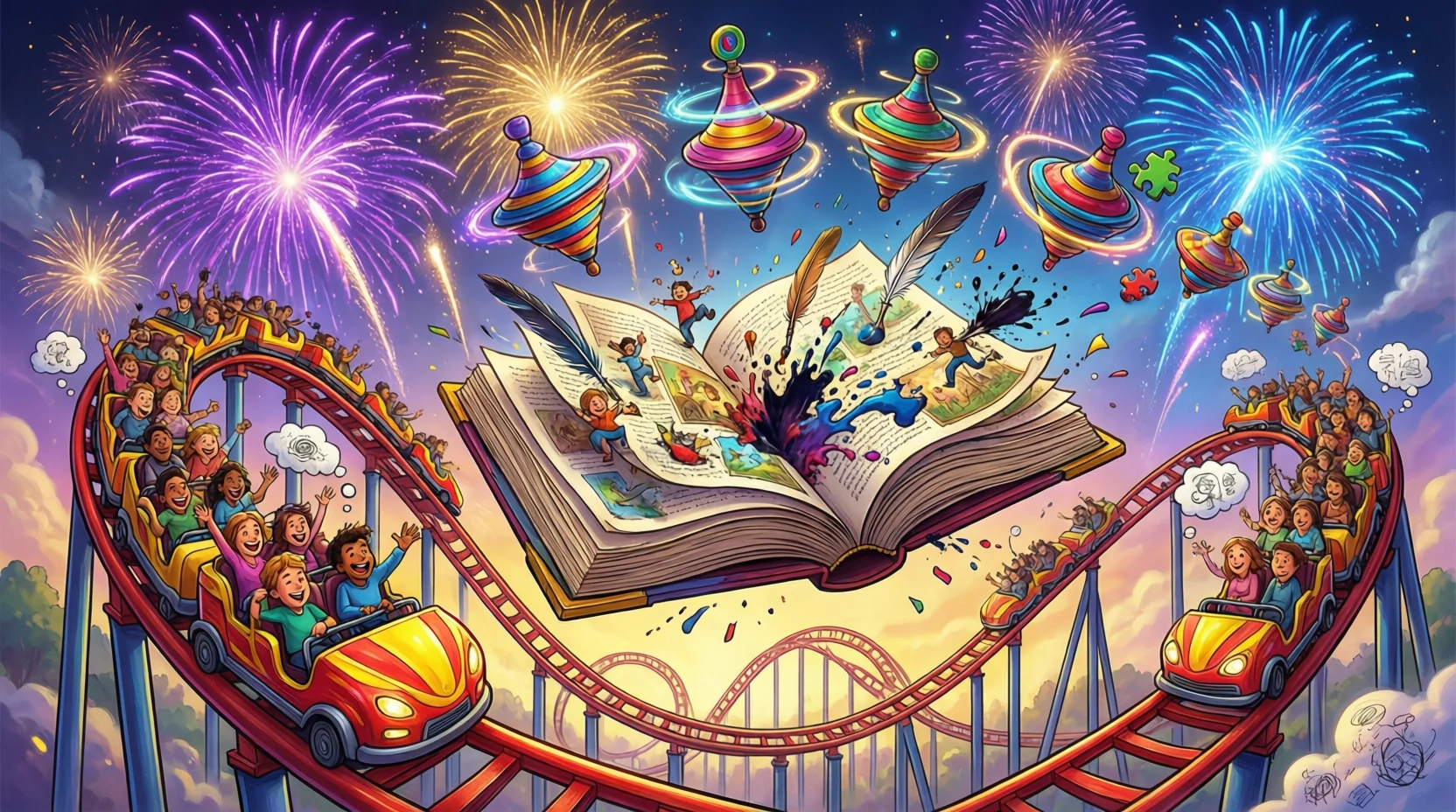
3. Crazy like a spinning top
Meaning: Full of fast, wild energy
Explanation: Shows nonstop movement
Examples:
- The kids ran crazy like a spinning top.
- My thoughts felt crazy like a spinning top.
4. Crazy like a monkey
Meaning: Playful and noisy
Explanation: Common in casual speech
Examples:
- The class went crazy like monkeys.
- He danced around crazy like a monkey.
5. Crazy like a wild horse
Meaning: Hard to control
Explanation: Shows freedom and chaos
Examples:
- His ideas ran crazy like a wild horse.
- The wind felt crazy like a wild horse.
6. Crazy like fireworks
Meaning: Loud and exciting
Explanation: Often used for parties
Examples:
- The crowd went crazy like fireworks.
- Her dress looked crazy like fireworks.
7. Crazy like a storm
Meaning: Strong and intense
Explanation: Shows sudden chaos
Examples:
- The room turned crazy like a storm.
- His anger rose crazy like a storm.
8. Crazy like a buzzing bee
Meaning: Restless and busy
Explanation: Great for movement
Examples:
- She felt crazy like a buzzing bee.
- The office was crazy like buzzing bees.
9. Crazy like a broken clock
Meaning: Not making sense
Explanation: Shows confusion
Examples:
- His story sounded crazy like a broken clock.
- The plan felt crazy like a broken clock.
10. Crazy like a roller coaster
Meaning: Full of ups and downs
Explanation: Emotional or fast changes
Examples:
- The week was crazy like a roller coaster.
- Her mood felt crazy like a roller coaster.
11. Crazy like popping popcorn
Meaning: Quick and sudden
Explanation: Shows fast action
Examples:
- Ideas came crazy like popping popcorn.
- The room got loud, crazy like popcorn.
12. Crazy like a tangled kite string
Meaning: Mixed up and messy
Explanation: Good for thoughts
Examples:
- My head felt crazy like a tangled kite string.
- The plan looked crazy like a tangled string.
13. Crazy like a runaway train
Meaning: Hard to stop
Explanation: Strong loss of control
Examples:
- His words ran crazy like a runaway train.
- Events moved crazy like a runaway train.
14. Crazy like a broken radio
Meaning: Loud and unclear
Explanation: Noise without sense
Examples:
- The room sounded crazy like a broken radio.
- His thoughts felt crazy like a radio.
15. Crazy like a funhouse mirror
Meaning: Strange and distorted
Explanation: Reality feels odd
Examples:
- The day felt crazy like a funhouse mirror.
- Her story looked crazy like a mirror.
16. Crazy like a swarm of flies
Meaning: Busy and chaotic
Explanation: Many things at once
Examples:
- The market was crazy like a swarm of flies.
- Thoughts buzzed crazy like flies.
17. Crazy like a shaking soda bottle
Meaning: Ready to explode
Explanation: Built-up energy
Examples:
- He felt crazy like a shaken soda.
- The room felt tense, crazy like soda.
18. Crazy like a loose wheel
Meaning: Not stable
Explanation: Something feels off
Examples:
- The idea sounded crazy like a loose wheel.
- The plan rolled crazy like a loose wheel.
19. Crazy like a flashing light
Meaning: Too much happening
Explanation: Overload feeling
Examples:
- The city felt crazy like a flashing light.
- His mind blinked crazy like lights.
20. Crazy like a surprise party
Meaning: Sudden and shocking
Explanation: Unexpected energy
Examples:
- The news hit crazy like a surprise party.
- The moment felt crazy like a party.
Practice Time: 10 Interactive Simile Questions
- Complete: Crazy like a train.
Answer: Runaway
Why: It shows loss of control. - Which simile fits busy energy?
Answer: Crazy like a buzzing bee
Why: Bees move nonstop. - Fill in: Crazy like popping.
Answer: Popcorn
Why: Shows fast action. - Which simile shows confusion?
Answer: Crazy like a broken clock
Why: It does not make sense. - Complete: Crazy like a wild.
Answer: Horse
Why: Horses are hard to control. - Which simile fits loud chaos?
Answer: Crazy like fireworks
Why: Fireworks are noisy. - Fill in: Crazy like a tangled.
Answer: Kite string
Why: Tangled means messy. - Which simile shows emotional ups and downs?
Answer: Crazy like a roller coaster
Why: It goes up and down. - Complete: Crazy like a broken.
Answer: Radio
Why: Sound is unclear. - Which simile fits playful behavior?
Answer: Crazy like a monkey
Why: Monkeys act silly.
Conclusion
Strong similes make writing clear, fun, and easy to picture. When you use the right similes for crazy, readers quickly understand the feeling you want to show. Instead of long explanations, one short simile can say it all. That is the real meaning of similes they help words come alive.
For example, using simple and clear simile sentences helps beginners write with confidence. You might say a room felt crazy like fireworks, and the picture is clear at once. As you practice how to use similes in writing, try making your own by comparing feelings, actions, or ideas to everyday things.
Keep practicing, keep playing with words, and soon your creative writing similes will feel natural and strong.