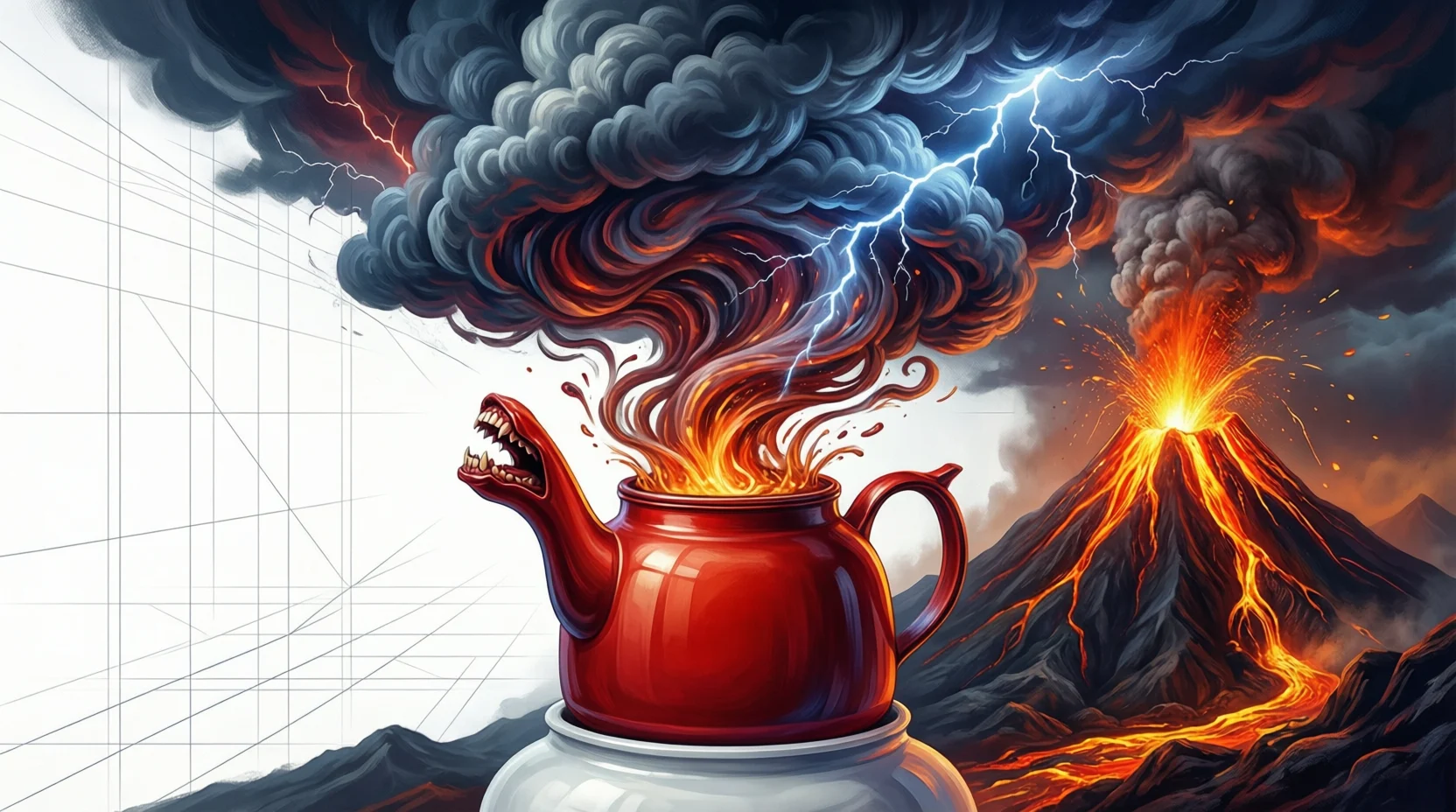
Let’s explore what similes are and why they matter, especially when writing about being mad.
A simile is a simple comparison. It compares one thing to another using the words like or as. In simple terms, similes help readers see and feel what you mean. Instead of just saying someone is mad, a strong simile paints a clear picture in the reader’s mind.
Strong similes make creative writing more fun and more powerful. They turn plain sentences into colorful ones. For example, saying “He was mad” feels flat. But saying “He was mad like a boiling kettle” shows anger building up and ready to explode. That is the magic of similes.
Understanding the meaning of similes also helps you read better. You can spot emotion, tone, and mood more easily. This is why similes are used in stories, poems, and even everyday speech.
In this guide, you’ll see clear examples of similes, learn how to use similes in writing, and practice creating your own. Everything is explained in easy language, step by step.
20 Strong Similes for Mad (With Meaning and Examples)
1. Mad like a boiling kettle
Meaning: Very angry and about to explode
Explanation: A kettle heats until it whistles
Examples:
• He was mad like a boiling kettle after the insult.
• She grew mad like a boiling kettle during the argument.
2. Mad as a hornet
Meaning: Sharp, sudden anger
Explanation: Hornets sting when disturbed
Examples:
• He was mad as a hornet when lied to.
• She sounded mad as a hornet on the phone.
3. Mad like a storm
Meaning: Wild and uncontrollable anger
Explanation: Storms are loud and violent
Examples:
• He raged like a storm in the room.
• Her anger hit like a storm.
4. Mad as a bull
Meaning: Strong, charging anger
Explanation: Bulls charge when angry
Examples:
• He was mad as a bull at the news.
• She charged in, mad as a bull.
5. Mad like fire
Meaning: Fast-spreading anger
Explanation: Fire grows quickly
Examples:
• His anger spread like fire.
• She flared up mad like fire.
6. Mad as a snapped rope
Meaning: Sudden loss of control
Explanation: A rope breaks without warning
Examples:
• He went mad as a snapped rope.
• She reacted mad as a snapped rope.
7. Mad like a trapped animal
Meaning: Angry from fear or pressure
Explanation: Trapped animals fight back
Examples:
• He felt mad like a trapped animal.
• She lashed out like a trapped animal.
8. Mad as thunder
Meaning: Loud and powerful anger
Explanation: Thunder is booming
Examples:
• His voice was mad as thunder.
• She shouted mad as thunder.
9. Mad like a volcano
Meaning: Anger building inside
Explanation: Volcanoes erupt after pressure
Examples:
• He was mad like a volcano inside.
• Her anger burst like a volcano.
10. Mad as a shaken soda can
Meaning: Ready to burst with anger
Explanation: Soda explodes when shaken
Examples:
• He was mad as a shaken soda can.
• She looked ready to pop like one.
11. Mad like boiling oil
Meaning: Dangerous, intense anger
Explanation: Boiling oil burns fast
Examples:
• His anger sizzled like boiling oil.
• She spoke mad like boiling oil.
12. Mad as a barking dog
Meaning: Loud, nonstop anger
Explanation: Dogs bark when upset
Examples:
• He was mad as a barking dog.
• She kept yelling like one.
13. Mad like a snapped twig
Meaning: Small thing caused big anger
Explanation: Twigs snap easily
Examples:
• He went mad like a snapped twig.
• Her patience broke fast.
14. Mad as fire ants
Meaning: Irritating, burning anger
Explanation: Fire ants cause pain
Examples:
• He felt mad as fire ants.
• Her anger crawled like them.
15. Mad like crashing waves
Meaning: Repeated waves of anger
Explanation: Waves hit again and again
Examples:
• His anger came like crashing waves.
• She felt hit by wave after wave.
16. Mad as a boiling pot
Meaning: Anger growing over time
Explanation: Pots boil slowly
Examples:
• He sat mad as a boiling pot.
• Her anger simmered all day.
17. Mad like a struck match
Meaning: Instant anger
Explanation: Matches light fast
Examples:
• He flared mad like a struck match.
• She snapped at once.
18. Mad as a roaring lion
Meaning: Fierce and loud anger
Explanation: Lions roar to warn
Examples:
• He was mad as a roaring lion.
• She roared back in anger.
19. Mad like broken brakes
Meaning: No control over anger
Explanation: Broken brakes don’t stop
Examples:
• His anger ran like broken brakes.
• She couldn’t stop herself.
20. Mad as boiling water
Meaning: Hot, bubbling anger
Explanation: Water bubbles when heated
Examples:
• He felt mad as boiling water.
• Her words bubbled out fast.
Practice Section: Try These Simile Exercises
1. Complete: He was mad like a .
Answer: volcano
Explanation: Shows anger building up.
2. Identify the simile: She snapped like a match.
Answer: like a match
Explanation: Uses “like” to compare.
3. Choose the best simile for sudden anger.
Answer: struck match
Explanation: Matches light instantly.
4. True or false: Similes use “like” or “as.”
Answer: True
Explanation: That’s the rule.
5. Fill in: Her anger came like waves.
Answer: crashing
Explanation: Shows repeated anger.
6. Which simile fits loud anger?
Answer: mad as thunder
Explanation: Thunder is loud.
7. Find the simile: Mad as a bull.
Answer: as a bull
Explanation: Compares strength.
8. Best simile for hidden anger?
Answer: boiling pot
Explanation: Anger grows quietly.
9. Complete: He exploded like a soda can.
Answer: shaken
Explanation: Pressure causes burst.
10. What makes a simile strong?
Answer: Clear image
Explanation: Readers can picture it.
Conclusion
Strong similes turn simple writing into powerful writing. They help readers feel emotions instead of just reading words. When you use similes for mad, you show anger in a clear and vivid way. This makes your stories, essays, and simile sentences more engaging and easier to understand.
As you’ve seen, creative writing similes do not need big words. Simple comparisons work best. When learning how to use similes in writing, always think about clear images and real feelings. You might say a person is mad like a storm, a match, or a boiling pot. Each one shows a different kind of anger.
Now it’s your turn. Try writing your own similes. Look around you, compare feelings to real things, and keep practicing. The more you write, the stronger your similes will become.