Introduction
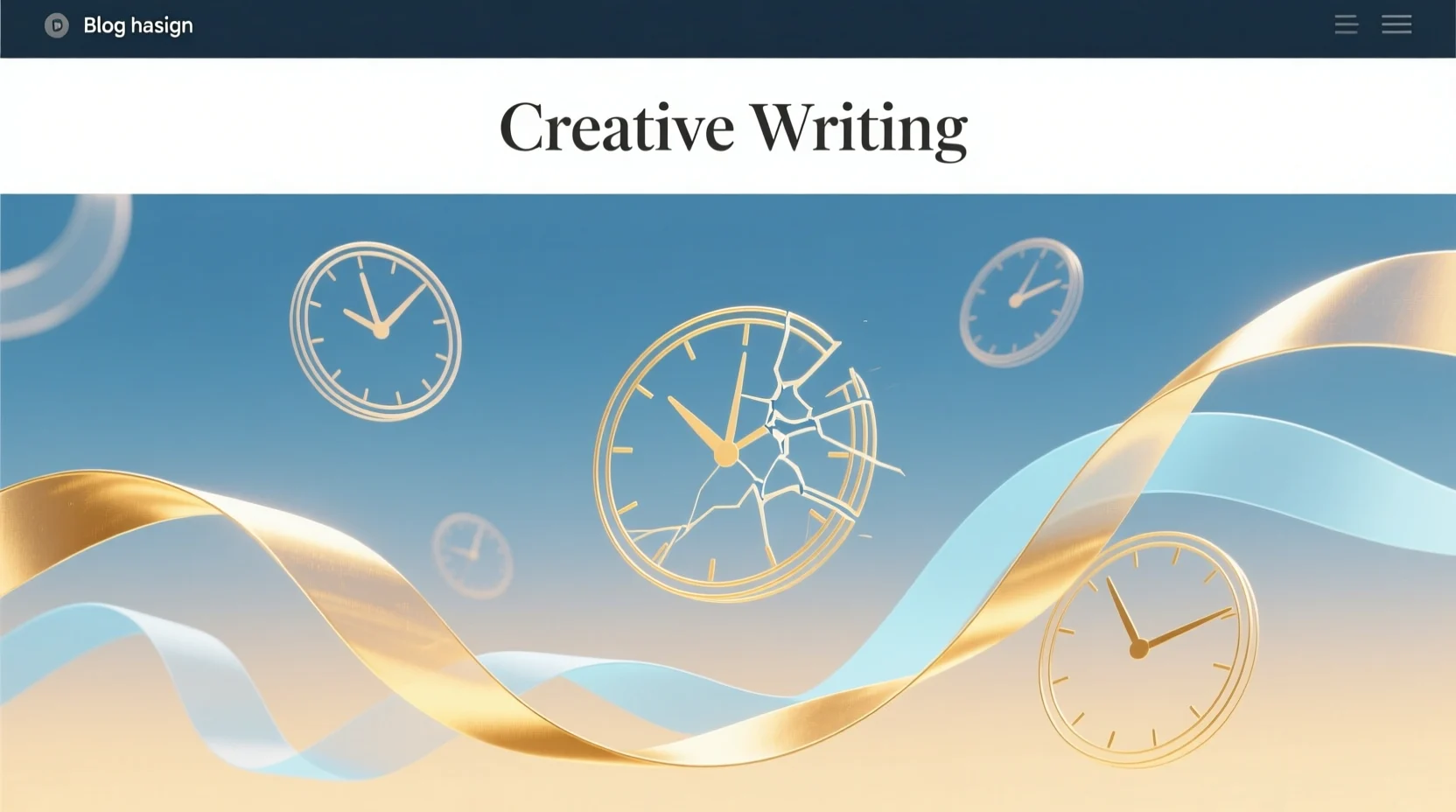
When you think about time, you probably imagine clocks, calendars, or a busy day rushing by. But in creative writing, time can feel slow, fast, heavy, light, peaceful, or even slippery. That’s where similes come in. A simile is a simple comparison using the words like or as. In simple terms, a simile helps you explain something by comparing it to something else the reader already understands. For example, you might say, “Time moved like melting ice.” Right away, the reader gets the feeling of something slow and fading.
Similes make writing easier to imagine, and they help your story feel more alive. When you describe time with rich comparisons, you can show emotions, pacing, and atmosphere without using long explanations. And for anyone learning creative writing, similes are one of the best tools to practice. Today, let’s explore 20 similes for time, complete with meanings, examples, and explanations. By the end, you’ll understand how to use similes in writing and how to create your own.
⏳ 20 Similes for Time (With Meanings + Examples)
1. “Time moved like a slow river.”
Meaning: Time feels calm and slow.
Explanation: Suggests long, peaceful moments.
Examples:
- The afternoon moved like a slow river.
- The waiting room felt like time was drifting like a gentle stream.
2. “The hours passed like a blur.”
Meaning: Time feels fast.
Explanation: Everything happens quickly.
Examples:
- The party ended before I knew it, the hours passed like a blur.
- His busy day rushed by like a blur.
3. “Time stretched like warm taffy.”
Meaning: Time feels long and pulled out.
Explanation: Used during boredom or waiting.
Examples:
- The last class stretched like warm taffy.
- Each minute felt stretched like sticky candy.
4. “The day went by like a flash.”
Meaning: Very fast.
Explanation: Used during fun or excitement.
Examples:
- Our trip went by like a flash.
- Time flew like a flash when we were together.
5. “Time slipped away like sand.”
Meaning: Time disappears quickly.
Explanation: Hard to hold onto moments.
Examples:
- The morning slipped away like sand between my fingers.
- Summer slipped away like sand on a windy beach.
6. “The moment was as short as a spark.”
Meaning: Very brief.
Explanation: Quick, bright, gone.
Examples:
- Their joy was as short as a spark.
- The silence lasted as short as a spark.
7. “Time crawled like a tired snail.”
Meaning: Very slow.
Explanation: Perfect for boring situations.
Examples:
- The minutes crawled like tired snails.
- Time crawled like a snail during the exam.
8. “The minutes fell away like autumn leaves.”
Meaning: Time passing gently.
Explanation: Natural, soft motion.
Examples:
- The minutes fell like autumn leaves as we talked.
- The evening drifted like falling leaves.
9. “Time froze like a statue.”
Meaning: No movement.
Explanation: Often used during shock.
Examples:
- When the announcement came, time froze like a statue.
- His fear made time freeze like stone.
10. “Time raced like a wild horse.”
Meaning: Fast and energetic.
Explanation: Out of control speed.
Examples:
- The hours raced like wild horses.
- Time raced like a horse during the big game.
11. “The night passed like a quiet dream.”
Meaning: Gentle and soft.
Explanation: Peaceful and calm.
Examples:
- The night passed like a quiet dream.
- Her sleep drifted like a soft dream.
12. “Time drifted like light clouds.”
Meaning: Slow and peaceful.
Explanation: Great for calm scenes.
Examples:
- The day drifted like light clouds.
- Time drifted softly, like summer clouds.
13. “The years rolled by like wheels.”
Meaning: Steady passing of time.
Explanation: Predictable and constant.
Examples:
- The years rolled by like wheels on a road.
- Life rolled on, year after year, like turning wheels.
14. “Time hovered like a quiet hummingbird.”
Meaning: Still but alive.
Explanation: A soft pause.
Examples:
- Time hovered like a hummingbird during the tense moment.
- The silence hovered like tiny wings.
15. “The moment vanished like smoke.”
Meaning: Gone quickly.
Explanation: Hard to hold onto.
Examples:
- The chance vanished like smoke.
- Time slipped away like thin smoke.
16. “Time was as steady as a heartbeat.”
Meaning: Constant and reliable.
Explanation: Predictable rhythm.
Examples:
- Her days were steady as a heartbeat.
- Time beat steadily like a heart.
17. “The seconds ticked like dripping water.”
Meaning: Slow and rhythmic.
Explanation: Useful for tension.
Examples:
- The seconds ticked like dripping water.
- Time dripped slowly like water from a faucet.
18. “Time rushed like a rising river.”
Meaning: Fast and powerful.
Explanation: Builds intensity.
Examples:
- The deadline approached; time rushed like a rising river.
- The day surged like strong water.
19. “Time circled like a spinning wheel.”
Meaning: Repetitive movement.
Explanation: Useful for routines.
Examples:
- The weeks circled like a spinning wheel.
- Life spun like a turning wheel.
20. “Time flickered like a candle flame.”
Meaning: Fragile, changing.
Explanation: Soft, uncertain moments.
Examples:
- Hope flickered like a candle flame through the night.
- Time flickered gently as we talked in the dark.
📝 Practical Exercise (10 Questions + Answers)
Questions
- Time moved ___ like a slow turtle.
- The hours passed like a ___.
- The moment vanished like ___.
- Time crawled like a ___.
- The day went by like a ___.
- Time slipped away like ___.
- The minutes drifted like ___.
- Time froze like ___.
- The years rolled by like ___.
- Time rushed like a ___.
Answers + Explanations
- Time moved slowly like a slow turtle. (Slow pace)
- Passed like a blur. (Fast)
- Vanished like smoke. (Gone quickly)
- Crawled like a snail. (Slow movement)
- Went by like a flash. (Fast)
- Slipped away like sand. (Hard to hold onto)
- Drifted like clouds. (Soft movement)
- Froze like a statue. (No movement)
- Rolled like wheels. (Steady passage)
- Rushed like a river. (Fast and powerful)
Conclusion
Similes make time feel real, emotional, and easy to imagine. Instead of simply saying “time passed,” you can show your reader exactly how it passed—fast, slow, quiet, gentle, or powerful. When you describe time using comparisons, your writing becomes clearer and more creative. Whether you’re working on stories, poems, essays, or school assignments, similes help you bring your ideas to life.
Try making your own similes by thinking about how time feels in the moment. Is it heavy? Light? Fast? Silent? Then compare it to something familiar. Keep practicing, and similes will become one of your strongest writing tools.