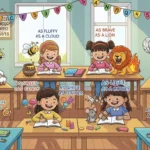
Let’s explore similes for worried in simple terms.
A simile is a way to compare two things using the words like or as. For example, you might say, “She was worried like a cat in a room full of rocking chairs.” That small comparison helps the reader see and feel the worry.
The meaning of similes is simple: they make writing clearer and more interesting. Instead of just saying someone is worried, similes show how worried they are. This is why similes are so useful in stories, essays, and even everyday writing.
Strong similes improve creative writing similes because they paint pictures in the reader’s mind. They also help beginners learn how to use similes in writing without sounding boring or confusing. When used well, simile sentences feel natural and easy to understand.
In this guide, you’ll see clear examples of similes, learn why they work, and practice making your own. By the end, you’ll feel more confident using similes to show worry, stress, and nervous feelings in your writing.
20 Strong Similes for Worried (With Meanings and Examples)
- Worried like a cat on a hot tin roof
Meaning: Very nervous and unable to relax
Explanation: The cat image shows constant fear and tension
Examples:
• He paced the room, worried like a cat on a hot tin roof.
• She sat quietly, worried like a cat on a hot tin roof. - Worried as a mouse near a trap
Meaning: Afraid something bad will happen
Explanation: Mice are careful when danger is close
Examples:
• He looked worried as a mouse near a trap.
• She spoke softly, worried as a mouse near a trap. - Worried like a student before a big test
Meaning: Anxious and uneasy
Explanation: Many people relate to exam stress
Examples:
• I felt worried like a student before a big test.
• She waited outside, worried like a student before a big test. - Worried as a rabbit in the open field
Meaning: Feeling exposed and scared
Explanation: Rabbits fear being seen by predators
Examples:
• He stood frozen, worried as a rabbit in the open field.
• She glanced around, worried as a rabbit in the open field. - Worried like leaves shaking in the wind
Meaning: Trembling with fear
Explanation: Shows visible nervous movement
Examples:
• His hands shook, worried like leaves in the wind.
• She laughed, worried like leaves in the wind. - Worried as a phone with low battery
Meaning: Constant fear of failure
Explanation: Modern and easy to understand
Examples:
• I felt worried as a phone with low battery.
• He smiled, worried as a phone with low battery. - Worried like a storm cloud ready to burst
Meaning: Heavy stress building up
Explanation: Shows pressure and tension
Examples:
• She felt worried like a storm cloud ready to burst.
• His face looked dark, worried like a storm cloud ready to burst. - Worried as a kid lost in a crowd
Meaning: Scared and unsure
Explanation: A clear emotional image
Examples:
• He felt worried as a kid lost in a crowd.
• She stood still, worried as a kid lost in a crowd. - Worried like a ticking clock
Meaning: Stress grows with time
Explanation: Shows waiting and pressure
Examples:
• He waited, worried like a ticking clock.
• She watched the door, worried like a ticking clock. - Worried as a bird in a cage
Meaning: Trapped and anxious
Explanation: The cage suggests no escape
Examples:
• She felt worried as a bird in a cage.
• He moved around, worried as a bird in a cage. - Worried like milk about to spill
Meaning: On edge and tense
Explanation: One small move can cause trouble
Examples:
• He stood still, worried like milk about to spill.
• She walked carefully, worried like milk about to spill. - Worried as a dog during fireworks
Meaning: Easily scared and tense
Explanation: Many dogs fear loud sounds
Examples:
• He was worried as a dog during fireworks.
• She hugged her bag, worried as a dog during fireworks. - Worried like a cracked bridge
Meaning: Feeling unstable
Explanation: Shows fear of collapse
Examples:
• His voice sounded worried like a cracked bridge.
• She smiled weakly, worried like a cracked bridge. - Worried as rain before thunder
Meaning: Fear before something bad
Explanation: Calm before trouble
Examples:
• The room felt worried as rain before thunder.
• She waited, worried as rain before thunder. - Worried like glass about to break
Meaning: Very fragile emotions
Explanation: Shows how close to breaking someone is
Examples:
• He spoke softly, worried like glass about to break.
• She looked away, worried like glass about to break. - Worried as a secret about to be told
Meaning: Nervous about exposure
Explanation: Secrets create fear
Examples:
• He felt worried as a secret about to be told.
• She paused, worried as a secret about to be told. - Worried like a door left unlocked
Meaning: Unsafe and uneasy
Explanation: Suggests danger
Examples:
• I felt worried like a door left unlocked.
• She checked again, worried like a door left unlocked. - Worried as a balloon ready to pop
Meaning: Full of pressure
Explanation: Stress builds until release
Examples:
• He felt worried as a balloon ready to pop.
• She laughed nervously, worried as a balloon ready to pop. - Worried like ice under warm sun
Meaning: Slowly losing control
Explanation: Shows gradual fear
Examples:
• He felt worried like ice under warm sun.
• She waited quietly, worried like ice under warm sun. - Worried as footsteps behind you
Meaning: Sudden fear
Explanation: A sharp image of danger
Examples:
• He froze, worried as footsteps behind you.
• She turned fast, worried as footsteps behind you.
Practice Section: Try These Simile Exercises
- Complete: Worried like a before bad news.
Answer: storm cloud
Explanation: Bad news builds tension. - Identify the simile: “She felt worried as a bird in a cage.”
Answer: as a bird in a cage
Explanation: Uses “as” to compare. - Choose the best simile for test stress.
Answer: student before a big test
Explanation: Easy and relatable. - True or false: Similes use “like” or “as.”
Answer: True
Explanation: That’s the rule. - Fill in: Worried like leaves in the .
Answer: wind
Explanation: Shows shaking fear. - Which is a simile?
Answer: Worried like glass about to break
Explanation: It compares feelings. - What feeling does “balloon ready to pop” show?
Answer: Pressure
Explanation: Stress building. - Complete: Worried as a in a crowd.
Answer: kid
Explanation: Shows fear and confusion. - Identify the comparison: “like a ticking clock”
Answer: Time pressure
Explanation: Waiting stress. - Write one simile using “like.”
Answer: Example: Worried like a phone with low battery
Explanation: Modern and clear.
Conclusion
Strong similes help turn simple feelings into clear pictures. Instead of saying someone is worried, similes show how worried they feel. This makes your writing more real and more fun to read. Whether you are writing stories, essays, or short paragraphs, similes add life to your words.
By learning the meaning of similes and studying real simile sentences, you can grow as a writer. You now know how to spot good similes and how to use similes in writing with ease. For example, you might say someone is worried like a storm cloud or as a kid lost in a crowd.
Now it’s your turn. Try making your own similes for worried feelings. Keep them simple, clear, and relatable. The more you practice, the stronger your writing will become.